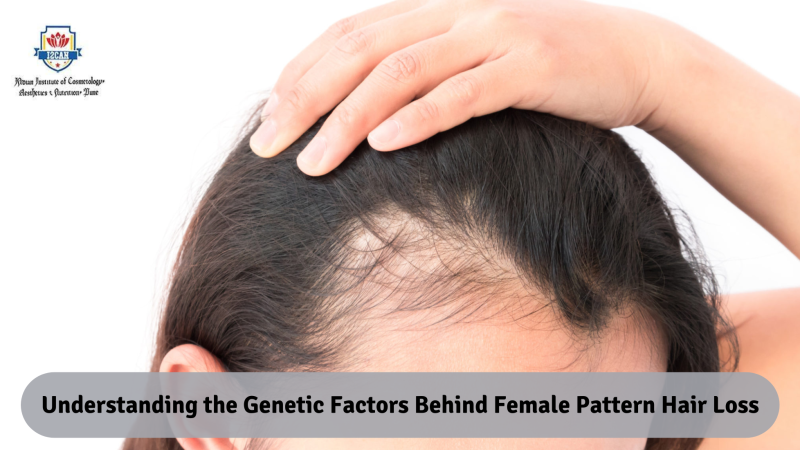
Female pattern hair loss (FPHL), also known as androgenetic alopecia, is a common condition that affects millions of women worldwide. While it’s often attributed to hormonal changes or aging, genetic factors play a significant role in its development. In this blog post, we’ll delve into the genetic basis of FPHL and how understanding these factors can help in managing and treating this condition.
The Genetics of FPHL
- Inheritance Patterns: FPHL tends to run in families, suggesting a strong genetic component. Research indicates that the inheritance pattern of FPHL is polygenic, meaning it involves multiple genes rather than a single gene mutation.
- Androgen Receptors: Androgens, particularly dihydrotestosterone (DHT), play a crucial role in FPHL. Genetic variations in androgen receptor genes can influence the sensitivity of hair follicles to androgens, contributing to hair loss.
- Hair Follicle Miniaturization: Genetic factors can influence the miniaturization of hair follicles in affected individuals. This miniaturization leads to the gradual thinning of hair over time, characteristic of FPHL.
- Gene Expression: Studies have identified several genes associated with hair follicle development and cycling, such as Wnt signaling pathway genes and genes involved in hair shaft formation. Variations in the expression of these genes can contribute to FPHL susceptibility.
Genetic Risk Assessment
Advancements in genetic research have enabled the development of tools to assess an individual’s genetic risk for FPHL. These tests analyze specific genetic markers associated with hair loss and provide insights into an individual’s likelihood of developing FPHL.
By identifying individuals at higher genetic risk early on, healthcare professionals can offer personalized prevention strategies and treatment plans tailored to the individual’s genetic predisposition.
Treatment Implications
Understanding the genetic basis of FPHL also has significant implications for treatment. While certain medications like minoxidil and finasteride can help slow down hair loss and promote hair regrowth, their effectiveness can vary depending on genetic factors.
Moreover, emerging therapies, such as gene therapy and stem cell-based treatments, aim to target the underlying genetic mechanisms involved in FPHL directly. By addressing these genetic factors, these innovative approaches hold promise for more effective and long-lasting treatments for FPHL.
Conclusion
Genetic factors play a crucial role in the development of female pattern hair loss. By unraveling the genetic basis of FPHL, researchers and healthcare professionals can gain valuable insights into its underlying mechanisms and develop more personalized approaches to prevention and treatment.
As genetic research continues to advance, we can expect further breakthroughs in understanding FPHL and improving outcomes for individuals affected by this condition. By integrating genetic information into clinical practice, we can pave the way for more targeted and effective interventions, ultimately empowering individuals to better manage their hair loss and enhance their quality of life.