Table of Contents
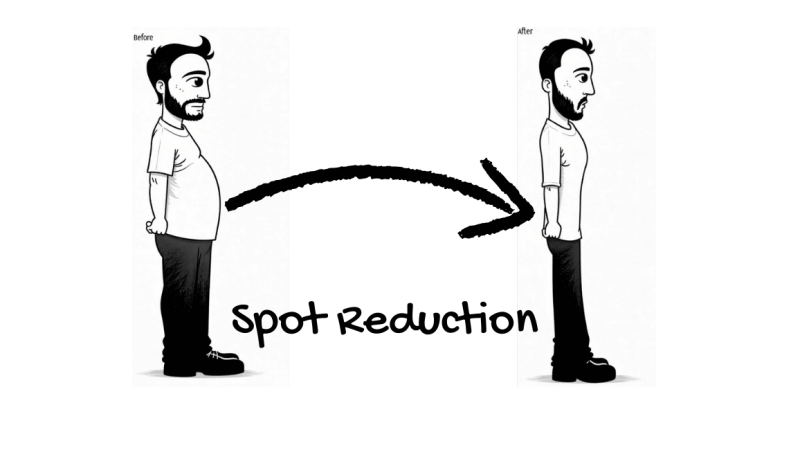
The quest for a toned and lean physique often leads individuals to seek targeted solutions for fat loss, particularly in areas like the stomach, thighs, and arms. Many people wonder if it’s possible to spot-reduce fat from specific body parts, hoping to achieve a more sculpted appearance. However, according to experts, spot reduction is a myth, and it’s essential to understand why.
How Fat Loss Works
When the body is in a calorie deficit or engaging in physical activity, it burns fat from all over the body, not just one specific area. This process is governed by hormones, enzymes, and genetics, which dictate how fat is mobilized and utilized for energy. As a result, exercises like crunches or glute exercises will not specifically remove the fat covering those areas. Instead, these exercises will help build muscle mass underneath the fat layer.
The visibility of underlying muscles depends on the amount of fat covering them. If there’s a significant layer of fat, it’s unlikely that targeted exercises alone will reveal the muscle definition. For instance, doing hundreds of crunches won’t necessarily lead to a flatter stomach if there’s still a considerable amount of visceral fat present.
The Role of Genetics in Fat Distribution
Genetics play a significant role in determining how fat is distributed on the body. Research suggests that genetic factors can influence where fat is stored, with some people tend to accumulate fat in specific areas, such as the hips, thighs, or stomach. This is why some individuals may notice weight loss in certain areas more quickly than others, while others may experience a more even distribution of fat loss.
For example, some people may have a genetic predisposition to store fat in their lower body, leading to a pear-shaped body type. Others may have a more android body type, with fat accumulating around the midsection. Understanding that genetics influence fat distribution can help individuals set realistic expectations and focus on overall weight loss and fitness rather than targeting specific areas.
Why Targeted Exercises Won’t Work for Spot Reduction
While targeted exercises can help build muscle mass in specific areas, they won’t necessarily lead to fat loss in those areas. This is because muscle growth and fat loss are two distinct processes. Resistance training can stimulate muscle growth, but it won’t directly impact the fat layer covering the muscle.
In fact, studies have shown that even when exercises are designed to target specific muscle groups, fat loss occurs systemically, not locally. For instance, a study published in the Journal of Strength and Conditioning Research found that resistance training exercises targeting the arms didn’t result in significant fat loss in the arm area.
Effective Strategies for Fat Loss and Body Toning
Given that spot reduction is a myth, what’s the best approach to achieving a leaner and more toned physique? Here are some evidence-based strategies:
Create a calorie deficit: Focus on a balanced diet with a calorie deficit to promote overall fat loss. This can be achieved through a combination of reducing daily caloric intake and increasing physical activity.
Incorporate strength training: Resistance exercises can help build muscle mass, which can contribute to a more toned appearance. Focus on compound exercises like squats, deadlifts, and bench press to target multiple muscle groups.
High-Intensity Interval Training (HIIT): HIIT involves short bursts of high-intensity exercise followed by brief periods of rest. This type of training has been shown to be effective for fat loss and improving cardiovascular fitness.
Aerobic exercise: Regular aerobic exercise, such as jogging, cycling, or swimming, can help burn calories and contribute to overall fat loss.
Monitor progress: Regularly track body fat percentage, measurements, and progress photos to monitor changes in body composition.
Spot reduction is a myth, and it’s essential to understand the science behind fat loss and body composition. By focusing on overall weight loss and fitness, individuals can achieve a leaner and more toned physique. Genetics play a significant role in fat distribution, and targeted exercises won’t directly impact fat loss in specific areas. Instead, incorporate a balanced diet, strength training, HIIT, aerobic exercise, and monitor progress to achieve a more sculpted appearance. By setting realistic expectations and adopting a comprehensive approach to fitness, individuals can achieve their goals and maintain a healthy, toned body.