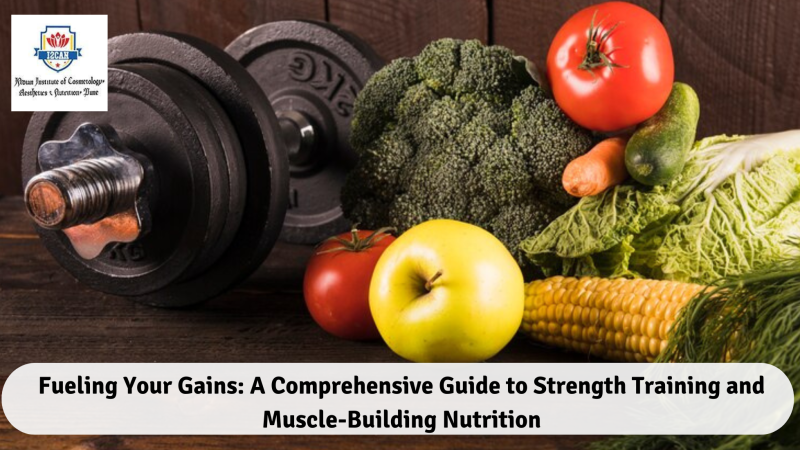
Embarking on a journey to build strength and muscle requires a holistic approach that encompasses both rigorous exercise and a strategic nutrition plan. In this blog post, we’ll delve into the essential components of a muscle-building diet, providing you with practical tips to optimize your nutrition and amplify your results.
- Understanding Caloric Surplus:To kickstart muscle growth, it’s crucial to consume more calories than your body expends. However, moderation is key to avoid excessive fat gain. Aim for a caloric surplus ranging from 300 to 500 calories above your maintenance level. This surplus provides the extra energy needed for intense workouts and muscle repair.
- Macronutrients – The Building Blocks:
- Protein: Protein is the cornerstone of any muscle-building diet. Aim to consume 1.6 to 2.2 grams of protein per kilogram of body weight. Opt for lean protein sources such as chicken, fish, eggs, and plant-based options like beans and tofu.
- Carbohydrates: Complex carbohydrates are essential for fueling your workouts. Prioritize whole grains, fruits, and vegetables to provide sustained energy. These carbs are not only a vital energy source but also assist in replenishing glycogen stores post-exercise.
- Fats: Incorporate healthy fats into your diet to support hormone production. Avocados, nuts, seeds, and olive oil are excellent sources of essential fatty acids. Balancing your fat intake is crucial for overall health and optimal muscle-building conditions.
- Strategic Meal Timing:
- Protein Distribution: Spread your protein intake evenly across meals to provide a steady supply of amino acids for muscle repair and growth. This approach ensures a sustained anabolic environment throughout the day.
- Pre- and Post-Workout Nutrition: Fuel your workouts by consuming a balanced meal containing protein and carbohydrates. Post-exercise, prioritize a combination of protein and fast-digesting carbs to kickstart recovery and replenish glycogen stores.
- Hydration – The Unsung Hero:
- Staying well-hydrated is often underestimated but plays a critical role in performance and recovery. Adequate hydration supports nutrient transport, temperature regulation, and overall cellular function. Aim for at least eight glasses of water a day, adjusting based on activity levels.
- Supplements for Extra Boost:
- Protein Powder: Supplementing with protein powder can help you meet your daily protein goals conveniently, especially on days when whole food sources may be challenging to incorporate.
- Creatine: Consider adding creatine to your regimen. This well-researched supplement has been shown to enhance strength and muscle gains, making it a valuable addition to your muscle-building toolkit.
Conclusion:
In conclusion, a successful journey in strength training and muscle building requires a harmonious balance between exercise and nutrition. By adopting a well-rounded diet that includes a caloric surplus, optimal macronutrient ratios, strategic meal timing, hydration, and potentially beneficial supplements, you’ll be primed to achieve your muscle-building goals. Remember, consistency is key – both in the gym and in the kitchen.