Table of Contents
India trains over 150,000 doctors each year through MBBS, BDS, and BAMS programs. But many graduates lack core clinical skills for self-reliance. Poor faculty quality and limited hands-on practice leave gaps. Technology is reshaping medical science fast. Yet faculty struggle to fit new tools into outdated syllabi. Short term clinical courses for doctors are stepping in – closing skill gaps and unlocking fresh opportunities for students.
New courses are available in all forms and sizes. But for convenience we will pick three courses each from Clinical Courses and Non Clinical Courses for doctors
Clinical Courses For Doctors
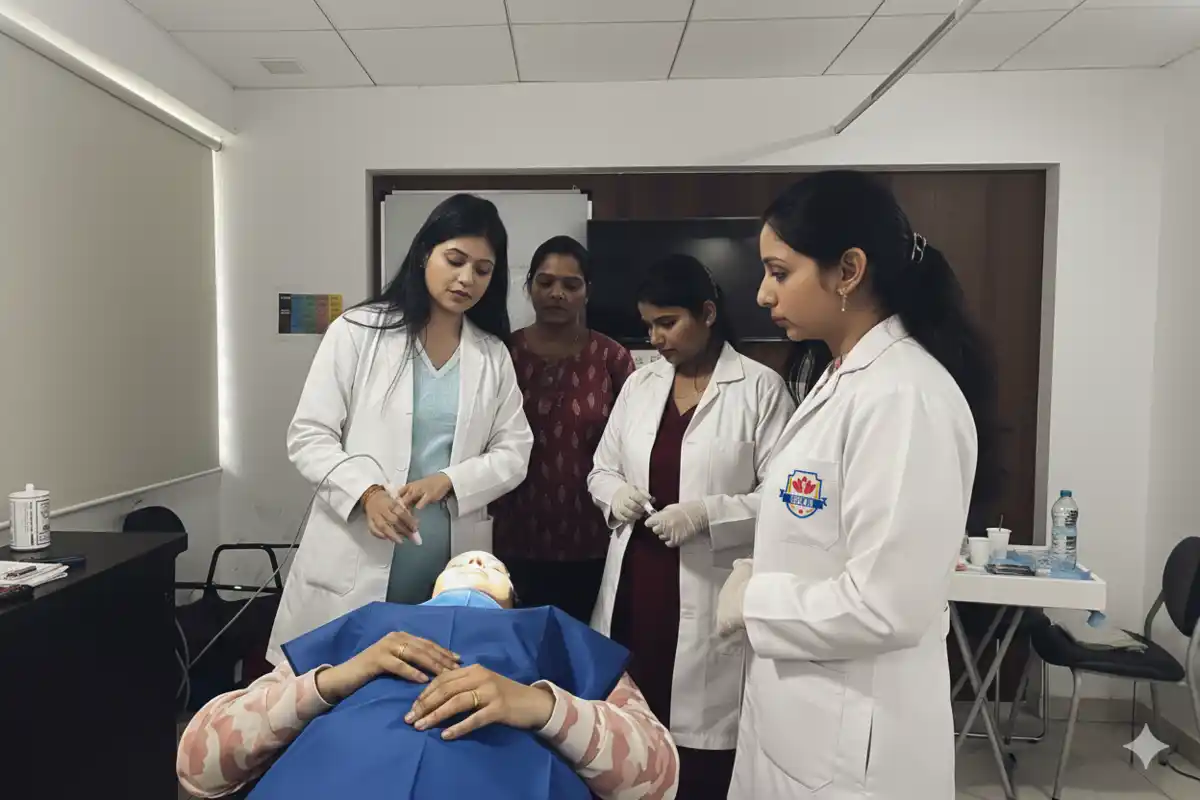
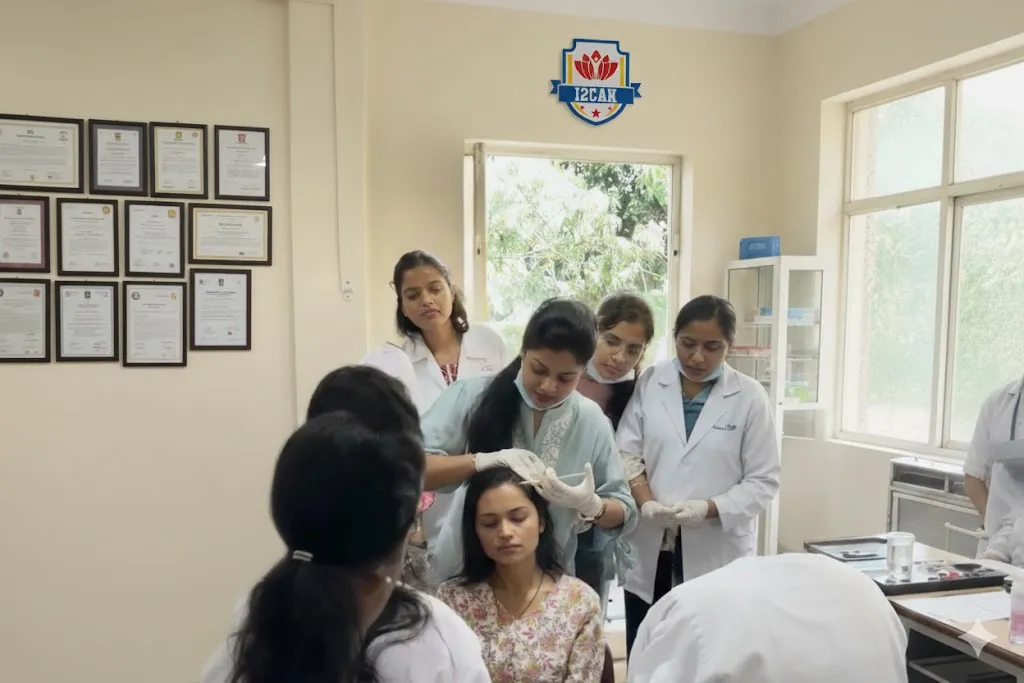
Clinical courses are courses for doctors which augments core degree programs like BDS. They provide fundamental clinical knowledge, certifications, postgraduate diplomas or fellowships for specialization in areas such as clinical cosmetology, cardiology, dermatology, or diabetes management. These courses involve hands-on training in patient care, diagnostics, and treatment within specific medical fields.
Medical Cosmetology Courses

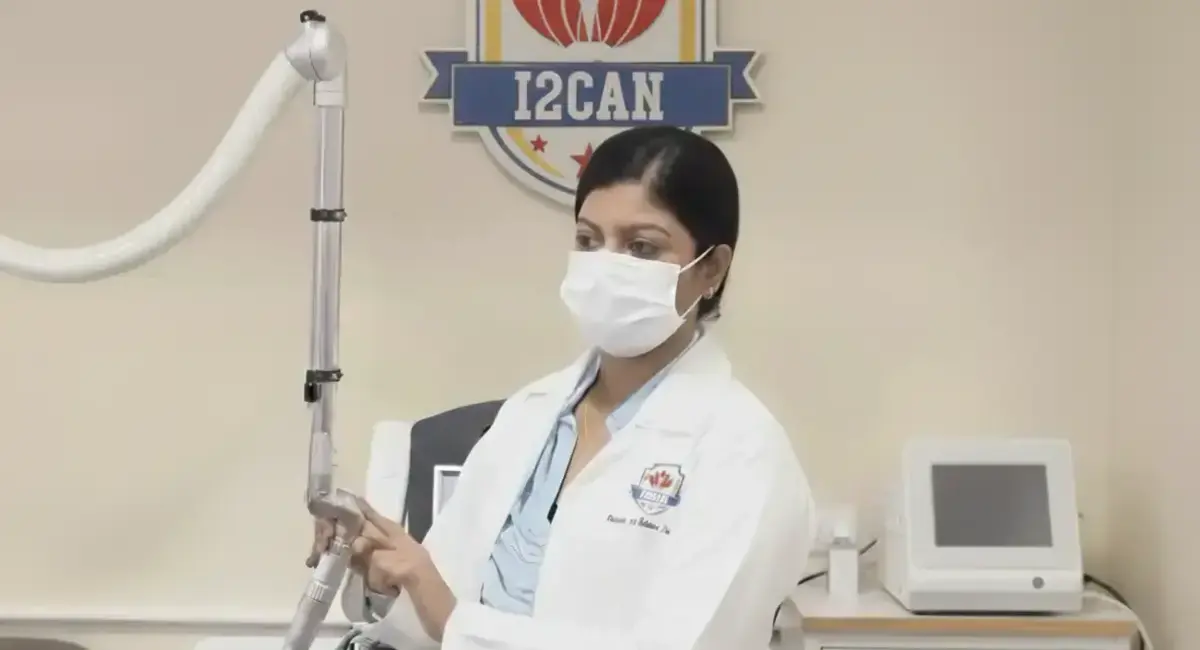
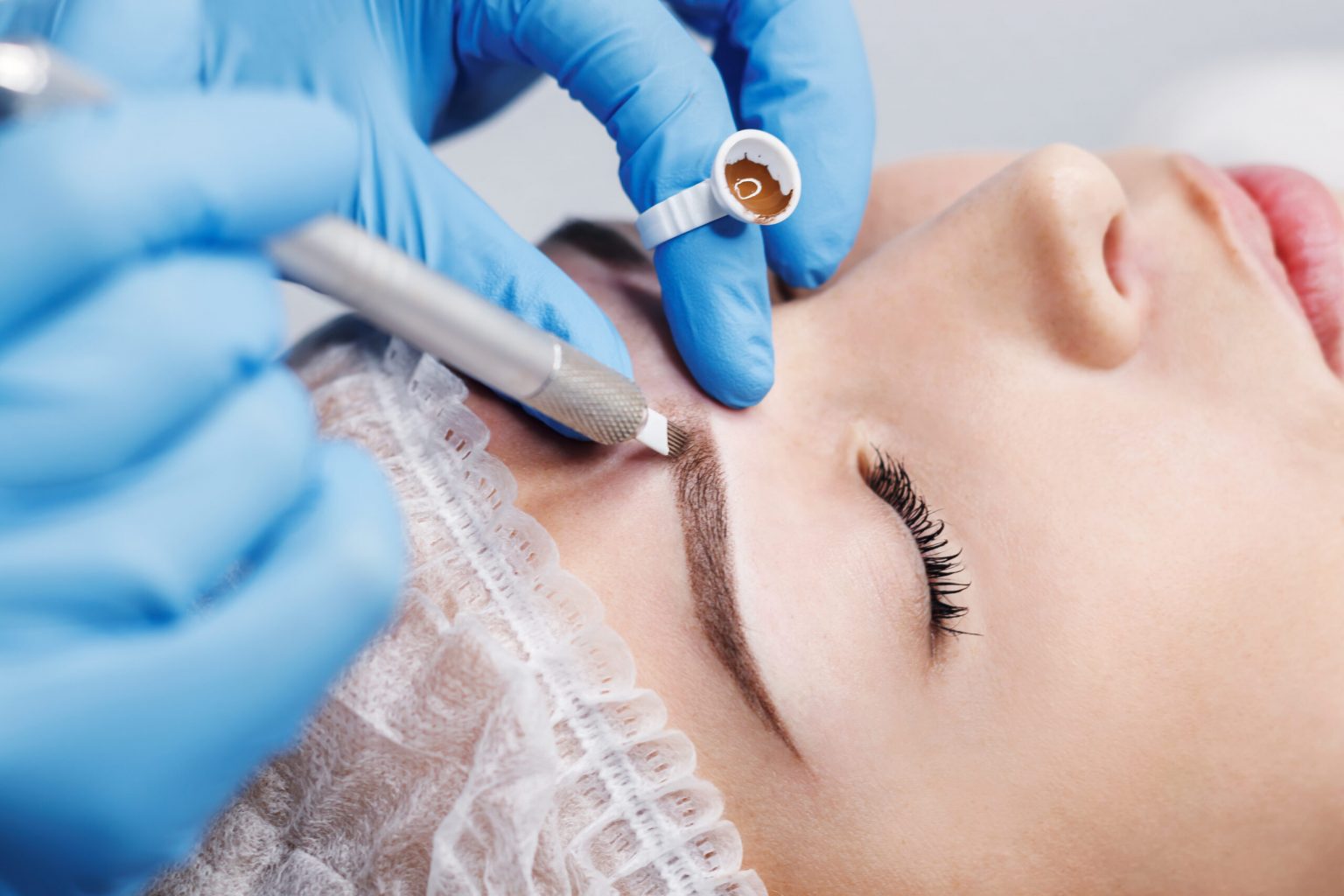
Medical cosmetology courses train doctors in advanced aesthetic treatments and skin care. They cover modern laser treatments, chemical peels, injectables like Botox and fillers, PRP therapy, hair transplants, and anti-aging techniques. Courses blend theory with hands-on practice to ensure safe, effective treatment.
Programs range from short-term certificates (a few days to months) to fellowships and diplomas lasting 6 to 12 months. Eligible candidates include MBBS, BDS, BAMS graduates and allied health professionals. These courses help meet rising demand for non-surgical cosmetic procedures and support doctors in building careers in medical aesthetics.
Clinical Nutrition Courses

Clinical Nutrition Courses train healthcare professionals to use nutrition in treating disease and improving health. They cover dietary needs across life stages, therapeutic diets, and interventions for obesity, diabetes, heart disease, and malnutrition. Courses blend theory with clinical practice, building skills in nutrition therapy for better patient care.
Programs include certificates, post graduation diplomas and fellowships options focused on hands-on learning and real case studies. Demand is rising as nutrition’s role in health gains wider recognition.
Emergency Medicine Courses
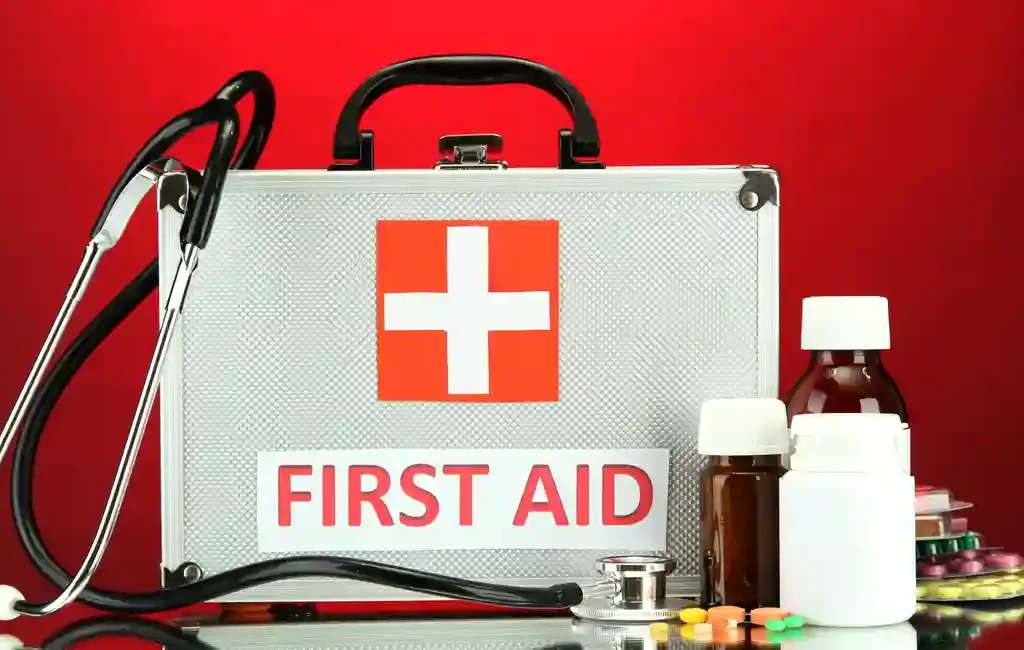
Emergency medicine courses in India train doctors to handle critical care. Programs range from 3–6 month certificates to fellowships and diplomas lasting up to 3 years. Short courses teach core emergency skills. Advanced programs offer deep clinical training, hands-on experience, and prep for global credentials.
Doctors learn to manage trauma, cardiac arrest, acute illness, and disaster response – ready for ERs, trauma centers, and field care. Some courses include international partnerships and global certifications. Their goal is to sharpen decision-making and build clinical strength for life-saving care.
Non Clinical Courses for Doctors
Non-clinical courses are educational pathways designed for individuals aiming to contribute to the healthcare or medical industries without engaging in direct patient treatment. These programs emphasize foundational and administrative aspects of healthcare. These courses often focus on areas like public health, healthcare administration, medical research, biomedical sciences, healthcare information technology, medical writing, and hospital management.
Healthcare Management Courses
Short-term healthcare management courses train doctors in hospital operations and leadership. They run from a few weeks to several months and cover planning, delivery systems, finance, law, and strategy. Courses offer practical skills and global certifications, often through flexible online or hybrid formats. Doctors can upskill without committing to long degrees. These programs boost efficiency in hospitals and open doors to non-clinical roles. They’re ideal for doctors looking to expand their expertise and move into healthcare management.
Clinical Research and Pharmacovigilance
Clinical research courses teach doctors how to design, run, and analyze trials. They cover ethics, data handling, and regulatory rules. Doctors learn drug development, trial phases, and how to test safety and efficacy.
Pharmacovigilance courses focus on drug safety. They train doctors to report adverse events, detect risks, and use safety databases. The goal: protect patients after drugs hit the market.
Both are short-term programs certificates or diplomas lasting 2 to 6 months. They mix theory with hands-on work, often including internships. These courses sharpen research skills and open careers in pharma and healthcare.
Health Informatics and Digital Health
Short-term Health Informatics courses teach healthcare professionals to manage and analyze medical data using digital tools. They cover EHR systems, HIE platforms, medical coding, data privacy, and health analytics. Programs range from short certificates to diplomas and postgrad options lasting up to two years. These courses help doctors and clinicians adapt to tech-driven care and boost efficiency.
Digital Health uses AI, cloud computing, and data analytics to improve healthcare delivery. It blends informatics, telemedicine, mobile apps, and wearables to modernize systems and enhance outcomes. Short-term certifications train professionals to apply and manage these technologies in real-world settings.
Together, Health Informatics and Digital Health courses equip healthcare workers with the tech skills needed to close gaps in care and lead the shift toward smarter, patient-centered systems.
Short-term courses are reshaping medical careers in India.
Focused programs in fields like cosmetology, nutrition, emergency care, healthcare management, research, and informatics offer flexible, hands-on learning. They help doctors stay sharp, adapt to new tech, and explore roles beyond traditional practice. These courses not only fuel personal growth but also strengthen patient care and modernize India’s healthcare system.