Getting a medical degree in India is a big feat. After that, some doctors want to learn more about skin problems and beauty treatments. This article will help you understand the popular Clinical Cosmetology courses other than the orthodox long medical courses. We will also compare pros and cons of all the options.
What is a “Dermatologist”?
First, let’s talk about what it means to be a “Dermatologist” or “Skin Specialist.” In India, you can only use these titles if you complete a special, long training program approved by a group called the National Medical Commission (NMC). This is like getting a master’s degree in skin care.
- Long Training: These programs, like an MD in Dermatology, usually take three years after your MBBS.
- Shorter Option: There’s also a two-year program called a PG Diploma in Dermatology.
Important Rule: If you only take short courses, you cannot call yourself a Dermatologist. It’s against the rules.
What Can MBBS/BDS/BAMS/BHMS Doctors Do With Short Courses?
Even without becoming a full Dermatologist, an MBBS/BAMS/BHMS doctor can still work in aesthetic medicine (beauty treatments). They can perform many procedures if they get the right training and follow safety rules.
Doctors who take short courses can call themselves things like:
- Aesthetic Practitioner
- Physician Cosmetologist
- Or just an MBBS/BDS/BAMS doctor trained in Aesthetics
Their work usually focuses on beauty treatments and procedures that don’t involve major surgery.
Let’s look at the differences:
Table 1: Comparing Training Paths
| Type of Training | How Long? | Who Approves It? | What You Can Be Called | What You Can Do |
| MD/DNB in Dermatology | 3 years | National Medical Commission | Dermatologist/Skin Specialist | Full skin care, surgery, and beauty treatments |
| PG Diploma in Dermatology | 2 years | National Medical Commission | Dermatologist/Skin Specialist | Full skin care, surgery, and beauty treatments |
| PG Diploma in Clinical Cosmetology and Aesthetics | 6 months – 1 year | Private schools | Aesthetic Practitioner | Mainly beauty treatments and simple procedures for cosmetologist and medical graduates alike |
Short and Quick Paths: Beauty Treatments (6 Months to 1 Year)
Many MBBS doctors choose quick courses to learn how to do popular beauty treatments. These are often called “Fellowships in Aesthetic Medicine” (FAM) or “Fellowships in Medical Cosmetology” (FMC).
These courses are usually:
- Fast: They can be as short as six months to a year.
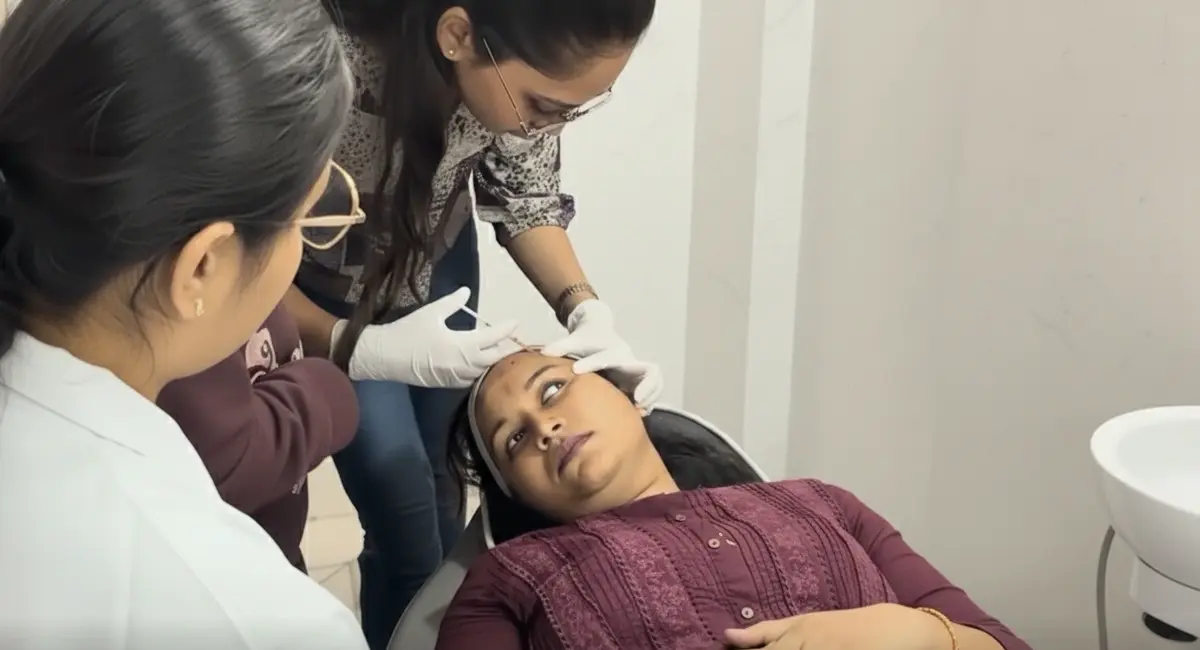
- Hands-On: They focus a lot on practicing procedures with real patients.
- What you learn:
- Injections: How to use things like Botox and fillers for wrinkles.
- Laser Machines: How to use lasers for removing hair, scars, or dark spots.
- Skin Rejuvenation: Treatments like chemical peels, PRP (Platelet-Rich Plasma), and microneedling to make skin look better.
These courses are relatively inexpensive, ranging from about ₹60,000 to over ₹4 Lakhs. It’s important to make sure the course gives you lots of supervised practice. It’s all about doing, not just reading!
Special Training for Hair Problems
There are also short courses for very specific areas, like hair and scalp problems. This field is called “Trichology.”
- What you learn: How to understand why people lose hair, have itchy scalps, or other hair problems, and how to treat them.
- Duration: These courses usually last 6 to 9 months and are less expensive than the full beauty fellowships.
Learning from Top Experts
Another way to learn is through “Observerships.” This is where you spend time with expert dermatologists in clinics or hospitals.
- What it is: You watch and learn from experienced doctors who are doing special procedures like skin surgery or using lasers.
- Duration: These can be as short as one month.
- Who offers them: The main group for skin doctors in India, the IADVL, offers these opportunities. It gives you a good experience, even if you don’t get to do everything yourself.
Choosing the Right Path for You
When picking a short course, think about what you really want to do:
- Want to treat common skin diseases in your general practice? Look for courses that teach you more about diagnosing and managing skin problems.
- Want to focus on beauty treatments like lasers and injections? Choose a fellowship with lots of hands-on practice.
Before you join any course:
- Check the School: Make sure the school is well-known and has good facilities for practical training.
- Understand the Rules: Remember, you can’t call yourself a “Dermatologist” with a short course.
- Plan for Safety: Think about how you will meet all the NMC safety rules for your clinic. This is just as important as the training itself!
Short courses can be a great way for MBBS doctors to gain new skills and enter the world of skin and beauty treatments. But it’s essential to understand the rules and be prepared to create a very safe practice.