The world of beauty and cosmetic treatments has grown a lot, and two of the most popular procedures are treatments using Botox (a type of wrinkle-smoothing injection) and Dermal Fillers (injections used to add volume). Because so many people want these treatments, training for doctors, dentists, and other qualified medical professionals in India has become very important.
Choosing the right course is the first big step on this career path. Reputable training focuses on safety, a deep understanding of the human face, and the skill to create beautiful, natural-looking results.
Table of Contents
Course Name Variations in Botox and Fillers Training
Training programs in India use different names to describe the kind of teaching they offer. These names usually reflect how long the course is, how deep the topics go, and what kind of certificate you get at the end. It’s important to look at what’s actually taught inside the course, not just the name.
Here are some common ways these courses are named:
1. Foundational and Combined Training
These courses are usually for medical professionals who are just starting out. They give you the basic knowledge you need to begin practicing.
- Combined Botox and Dermal Filler Training Course: This is a very popular name for a course that teaches you the basics of both treatments together, often in a short period (like 2 or 3 days). It’s the fast track to learn the most common procedures.
- Foundation Injectables Workshop: A term that focuses on the very first level of skills and techniques for injecting.
- Certificate Course in Cosmetic Injectables: A short-term course that gives you a formal document (certificate) showing you have completed the basic training.
2. Advanced and Specialized Training
These programs are for people who already have the basic skills and want to learn more complex techniques for different parts of the face.
- Advanced Dermal Fillers and Cannula Skills Masterclass: This type of name shows the training goes beyond basic needle use to include the cannula, which is a blunt-tipped instrument often used for safer, more advanced filler placement.
- Aesthetic Masterclasses (like Lip Masterclass or Cheek Masterclass): These are very specific, short programs that focus on mastering one area, such as creating beautiful lip shapes or defining the cheeks.
- Facial Mastery Certificate: A name that suggests a broad and deep study of the entire face and how to treat different areas to achieve harmony and balance.
- Advanced Injectables Course: A course title for those looking to expand their skills to treat more challenging areas of the face and neck.
The Gold Standards in Training
In the world of medical aesthetics, there are certain things that are considered the absolute “Gold Standard” for a quality education. These standards are what separate a quick, unsafe workshop from a truly professional and ethical training experience. When looking at any course, check if it meets these top requirements:
1. Hands-On Practice with Real Patients
The most important part of training is actually performing the procedures. The gold standard is:
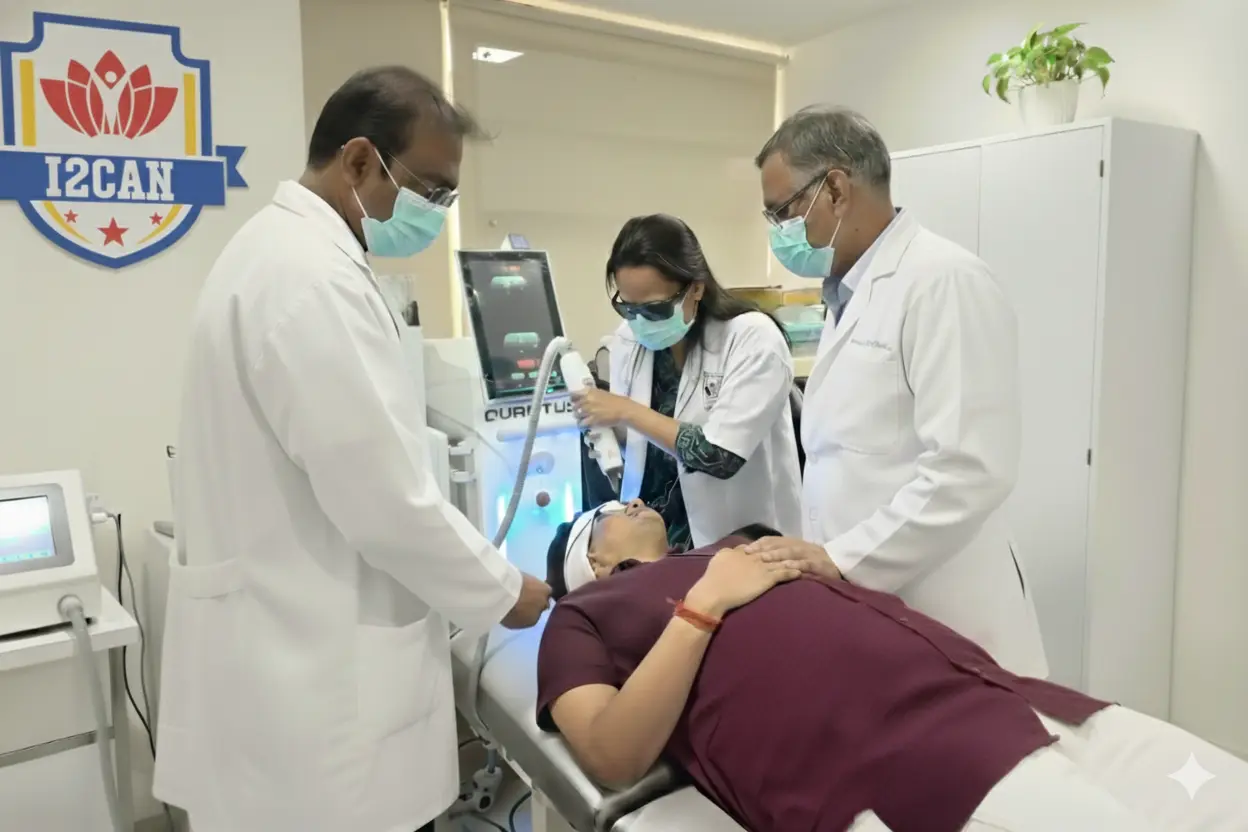
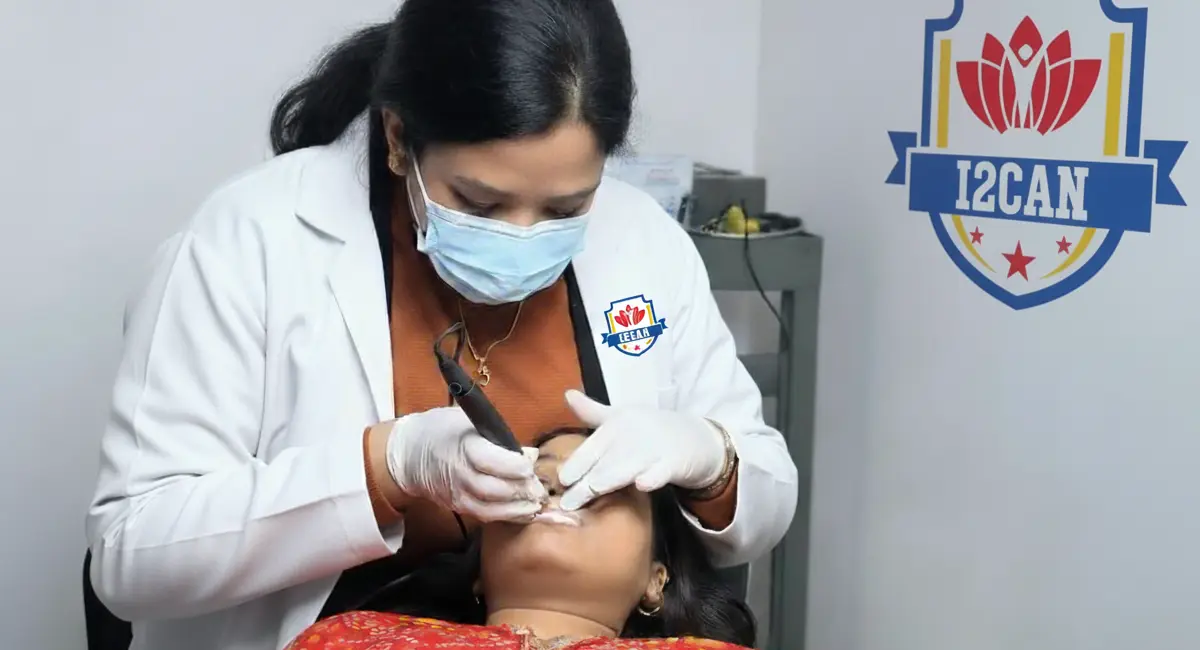
- Practice on Live Cosmetic Models: You should be injecting real people (called “live models” or “real patients”) under close watch.
- High Ratio of Practical Work: The best courses spend a lot of time on practical sessions, sometimes as much as 60% of the entire course, ensuring you get enough experience.
- Small Group Size: Learning in small groups means the trainer can give you direct attention and guidance, correcting your technique right away.
2. Deep Understanding of Anatomy
Treating the face requires an expert understanding of its structure.
- In-Depth Facial Anatomy: The training must cover the muscles, blood vessels, and nerves of the face in great detail.
- Landmark-Based Training: This involves learning to find the exact “landmarks” (points) on the face that are safe for injection and those that must be avoided to prevent harm.
3. Focus on Safety and Complication Management
Patient safety is the highest priority.
- Complication Management Training: A top course teaches you how to recognize, prevent, and treat side effects, including rare but serious complications like a vascular occlusion (a blockage of a blood vessel).
- Proper Clinic Protocols: You must learn about consultation, taking patient history, informed consent (making sure the patient understands the risks), and post-treatment care.
4. Official Accreditation
In many parts of the world, having a recognized qualification shows that the training meets a high, set standard.
- Regulated Qualifications: In some countries, the highest level of qualification is an internationally-recognized diploma or degree, such as the Level 7 Diploma in Clinical Aesthetic Injectable Therapies. This level is often considered the gold standard because it is a qualification that is equivalent to a master’s degree, ensuring rigorous academic and clinical standards. The Level 7 standard demands a large amount of academic study (like essays and case studies) and a logbook of many supervised treatments.
Conclusion
The field of aesthetic injectables in India is quickly growing. For any medical professional, choosing a course that meets the gold standards of extensive hands-on training, deep anatomical knowledge, and a strong focus on patient safety and complication management is the best way to start a safe, successful, and ethical practice. The names of the courses may vary, from a short Foundation Injectables Workshop to a comprehensive Fellowship in Aesthetic Medicine, but the dedication to excellence must always remain the same.