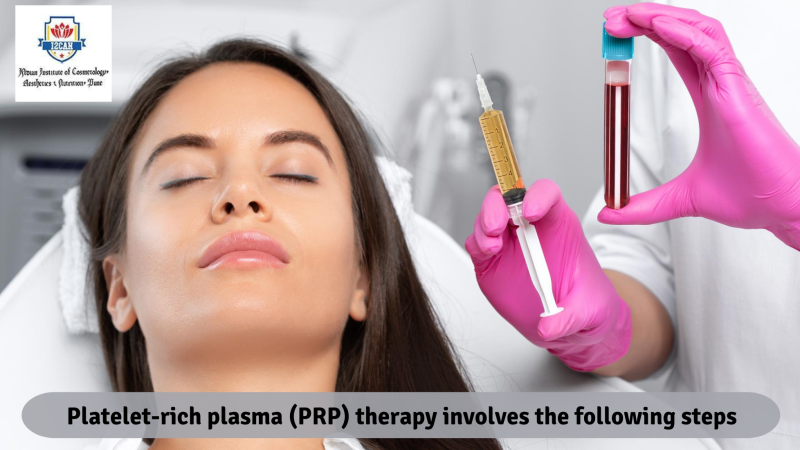
Platelet-rich plasma (PRP) therapy involves the following steps:

CL-FC-October-Nov-copy-38-1

Blood Draw: A small amount of blood, usually from your arm, is drawn by the medical professional.

Centrifugation: The drawn blood is then placed in a centrifuge, a machine that spins rapidly to separate the components of the blood. This process isolates the platelet-rich plasma from other blood components.

Preparation: Once separated, the concentrated platelets are collected, resulting in PRP, which is rich in growth factors and other beneficial compounds.

Treatment Application: The PRP is either injected directly into targeted areas, such as the face for cosmetic purposes or into joints for orthopedic purposes, or applied topically during certain skin procedures.

Recovery: After the application or injection, there might be slight redness or swelling at the treatment site. Depending on the specific procedure, there may be specific aftercare instructions provided by the healthcare professional.

PRP therapy is known for its potential in promoting tissue repair, reducing inflammation, and stimulating collagen production. It’s used in various medical fields, including dermatology, orthopedics, and sports medicine, among others, to aid in healing and rejuvenation.

Picture of Mr. Nandan Gijare

Mr. Nandan Gijare

Mr. Nandan Gijare is the Managing Director of I2CAN Education, one of India’s leading institutions in aesthetic medicine and cosmetology training. With a strong foundation in professional education and institutional leadership, he has played a central role in building structured, skill-driven training pathways for medical and allied professionals seeking to enter the rapidly expanding field of aesthetic medicine. Over the past decade, Mr. Nandan Gijare has focused on developing education models that combine scientific knowledge, practical clinical exposure, and real-world practice readiness. Under his leadership, training programs have been designed to ensure that doctors and aesthetic practitioners gain not only procedural competence but also an understanding of patient consultation, clinic setup, ethical practice, and long-term professional growth. His work has consistently emphasized the importance of responsible aesthetic practice, evidence-based training, and ongoing professional support beyond classroom education. Through collaborations with medical experts and industry stakeholders, he has contributed to strengthening the quality and accessibility of aesthetic medicine education across India.

Get Course Details

Share your details and an I2CAN expert will call you to pick the right course. No pressure, No spam.