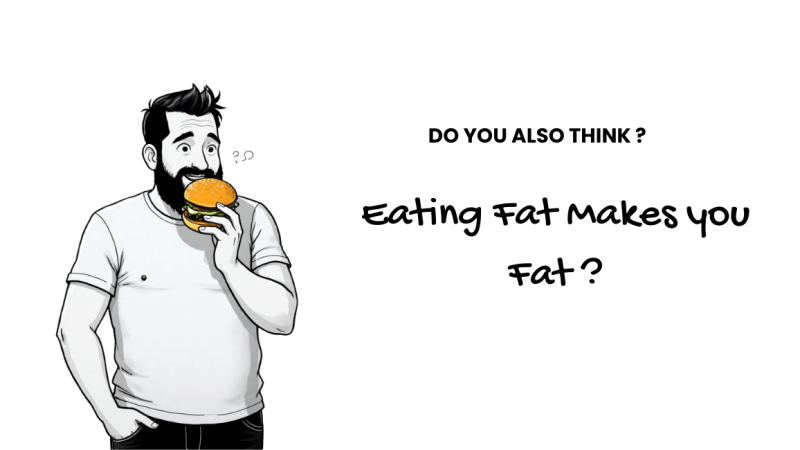
For decades, the notion that eating fat makes you fat has been deeply ingrained in our collective consciousness. However, this myth has been largely debunked by scientific research, and it’s time to set the record straight. Fats are, in fact, an essential part of a balanced diet, and they offer numerous health benefits. The type of fat consumed are more important factors than fat alone.
The Benefits of Healthy Fats
Healthy fats, found in foods like avocado and salmon, have been shown to have numerous positive effects on the body. They help regulate heart function, reduce inflammation, and even promote feelings of fullness, which can lead to weight loss. These benefits are backed by scientific evidence, and incorporating healthy fats into your diet can have a significant impact on overall health.
The Sugar Industry’s Influence
So, where did this myth about fat come from? The answer lies in the sugar industry’s influence on scientific research and dietary guidelines. In the 1960s, the sugar industry reportedly paid scientists to downplay the link between sugar and heart disease, instead shifting the blame to fat. This led to the widespread adoption of low-fat diets, which were touted as a way to lose weight and improve overall health.
The Problem with Low-Fat Products
However, a significant issue with low-fat products is that they often contain much more sugar than their full-fat counterparts. This added sugar can lead to a range of health problems, including weight gain, insulin resistance, and an increased risk of chronic diseases like diabetes and heart disease.
The Consequences of Following Low-Fat Guidelines
The consequences of following low-fat guidelines have been stark. Since these guidelines were introduced in 1977, the obesity rate has more than doubled, from 15% to 40.3% between August 2021 and August 2023. Meanwhile, the sugar industry has thrived, and the consumption of added sugars has skyrocketed.
The Cholesterol
Recent research has also shed light on the role of cholesterol in the body. Contrary to popular belief, most cholesterol is produced by the liver, not primarily from dietary intake. The liver is stimulated to produce cholesterol when we consume trans fats and saturated fats, which are often found in highly processed and fried foods.
The Dangers of Trans Fats
Trans fats, in particular, have been shown to be extremely harmful to human health. These fats are created through a process called hydrogenation, which converts liquid vegetable oil into solid fats to increase shelf life and alter texture. However, due to their harmfulness, many countries have banned trans fats, and the FDA has declared that they are no longer recognized as safe.
The Real Concern
So, what’s the real concern when it comes to fat? It’s not the consumption of healthy fats, but rather the consumption of trans fats and other processed ingredients that trigger cholesterol production and contribute to chronic diseases. By focusing on whole, nutrient-dense foods and avoiding highly processed and fried foods, we can promote optimal health and well-being.
Conclusion
In conclusion, the myth that eating fat makes you fat has been largely debunked by scientific research. Healthy fats are an essential part of a balanced diet, and they offer numerous health benefits. By understanding the role of fat in the body and the influence of the sugar industry on dietary guidelines, we can make informed choices about our diet and promote optimal health. By focusing on whole, nutrient-dense foods and avoiding highly processed and fried foods, we can take control of our health and well-being.
Recommendations
- Incorporate healthy fats into your diet, such as avocado, nuts, and fatty fish.
- Avoid highly processed and fried foods that contain trans fats and added sugars.
- Focus on whole, nutrient-dense foods, including fruits, vegetables, whole grains, and lean proteins.
- Read labels carefully and choose products that are low in added sugars and unhealthy fats.
- Consider working with a registered dietitian or healthcare professional to develop a personalized nutrition plan.
By following these recommendations and understanding the truth about fat, we can promote optimal health and well-being, and reduce our risk of chronic diseases.