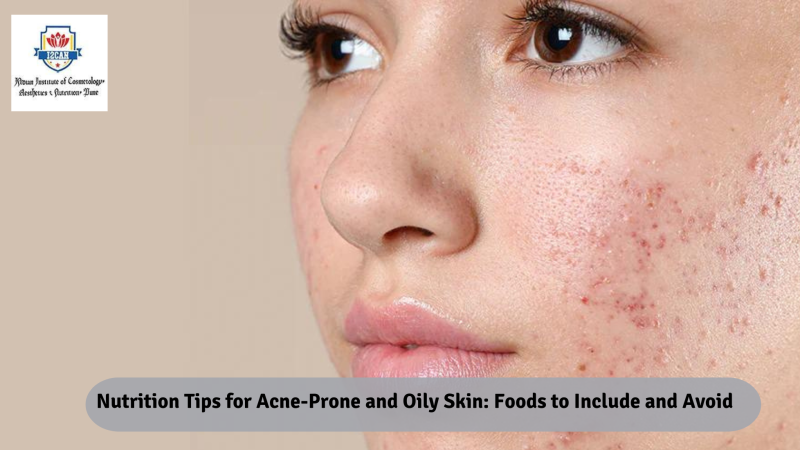
Are you struggling with acne-prone and oily skin? While skincare routines play a crucial role in managing these conditions, what you eat can also significantly impact your skin health. Incorporating certain foods into your diet while avoiding others can help alleviate acne and reduce excess oil production. In this article, we’ll explore some nutrition tips tailored specifically for individuals with acne-prone and oily skin.
Foods to Include:
- Fatty Fish: Salmon, mackerel, and sardines are rich in omega-3 fatty acids, which have anti-inflammatory properties. Incorporating these fish into your diet can help reduce inflammation associated with acne and promote overall skin health.
- Leafy Greens: Spinach, kale, and other leafy greens are packed with vitamins and minerals, including vitamin E and zinc, which can help support healthy skin. Additionally, they are low in calories and can be a great addition to your meals.
- Berries: Blueberries, strawberries, and raspberries are rich in antioxidants, which can help combat free radicals and reduce inflammation in the body. Including a variety of berries in your diet can support skin health and may help improve acne symptoms.
- Probiotic Foods: Yogurt, kefir, and fermented vegetables like sauerkraut contain probiotics, which are beneficial bacteria that promote gut health. A healthy gut microbiome is essential for overall health, including skin health, so incorporating probiotic foods into your diet can be beneficial for managing acne.
- Whole Grains: Opt for whole grains like brown rice, quinoa, and oats instead of refined grains like white bread and pasta. Whole grains are rich in fiber and have a lower glycemic index, which means they won’t cause spikes in blood sugar levels. High-glycemic foods have been linked to acne, so choosing whole grains can help regulate blood sugar and improve skin health.
- Nuts and Seeds: Almonds, walnuts, chia seeds, and flaxseeds are excellent sources of healthy fats, vitamins, and minerals. They also contain anti-inflammatory properties that can benefit acne-prone skin. However, consume them in moderation as they are calorie-dense.
Foods to Avoid:
- Dairy Products: Milk and dairy products, especially those high in fat, can exacerbate acne due to their hormonal content. Some studies suggest that dairy consumption may increase insulin levels and stimulate oil production in the skin, leading to acne breakouts. Consider reducing or eliminating dairy from your diet to see if it improves your skin condition.
- Highly Processed Foods: Foods high in refined sugars, such as candy, pastries, and sugary drinks, can spike blood sugar levels and promote inflammation, which may worsen acne. Additionally, processed foods often contain unhealthy fats and additives that can negatively impact skin health. Opt for whole, unprocessed foods whenever possible.
- Fried and Greasy Foods: Greasy foods like french fries, burgers, and fried chicken can increase oil production in the skin and clog pores, leading to acne breakouts. Limit your consumption of fried foods and opt for healthier cooking methods such as baking, grilling, or steaming.
- Salty Snacks: Foods high in salt, such as potato chips and pretzels, can dehydrate the skin and exacerbate acne. High sodium intake can also lead to water retention and inflammation, further aggravating skin issues. Choose low-sodium snacks or opt for healthier alternatives like air-popped popcorn or vegetable sticks with hummus.
- Sugary Beverages: Sodas, energy drinks, and sweetened teas are loaded with sugar and provide little to no nutritional value. Consuming these beverages can cause blood sugar spikes and contribute to inflammation, which may worsen acne. Instead, hydrate your skin by drinking plenty of water throughout the day.
In addition to making dietary changes, remember to maintain a consistent skincare routine and practice good hygiene habits to keep your skin clean and healthy. While diet alone may not completely eliminate acne, incorporating these nutrition tips can complement your skincare efforts and help improve your overall skin health. As always, consult with a dermatologist or healthcare professional for personalized advice and treatment options tailored to your specific needs.